Necessary Guide to Grit Trap Cleaning
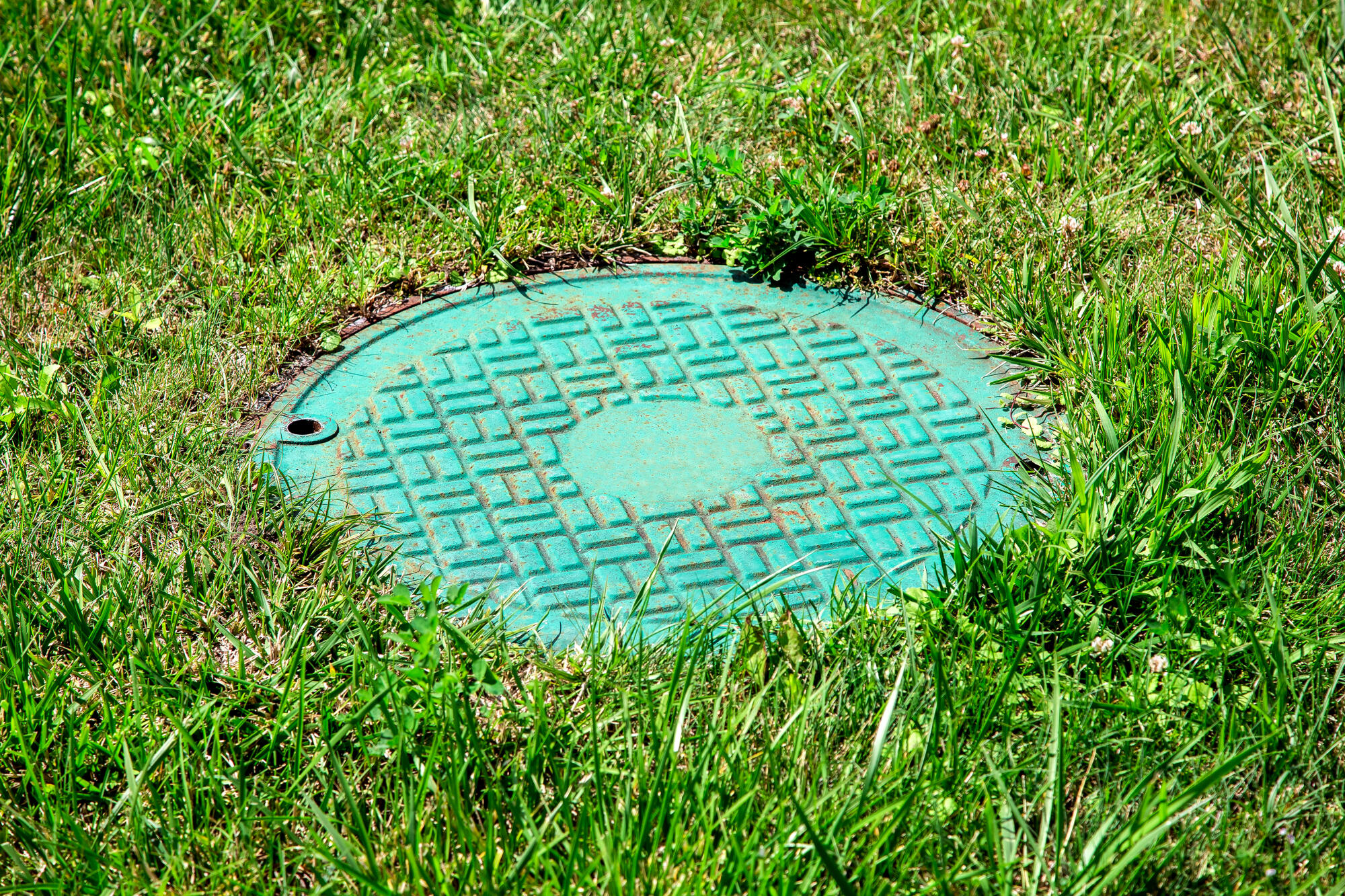
When it concerns maintaining proper wastewater management systems, grit traps play a crucial duty. These systems are made to remove sand, silt, and various other abrasive materials from wastewater before it is dealt with. However, like any type of part of a wastewater therapy system, grit catches call for normal cleaning to operate effectively. Disregarding this important task can lead to clogs, decreased performance, and increased functional costs. In this overview, we will certainly check out the relevance of grit trap cleansing, techniques to do so, and finest practices to guarantee your systems continue to be useful.
The primary purpose of a grit catch is to secure downstream equipment from damages triggered by abrasive materials. Gradually, grit collects in the trap, minimizing its storage capability and possibly causing overflow problems. This can result in functional interruptions, increased downtime, and costly repairs. Hence, comprehending the grit trap cleaning process and adhering to a routine upkeep timetable is crucial for any center relying on grit catches.
There are several approaches for cleaning grit catches, but the most typical is hand-operated cleansing. This entails literally getting rid of the collected grit and waste when the trap has actually been emptied. One more effective method is using suction trucks, which can vacuum out the debris without requiring to go into the catch. Some facilities may likewise implement computerized grit removal systems, which utilize mechanical devices to continuously remove grit from the container. Each cleaning technique has its very own advantages and may be preferable depending on the size and style of the grit trap. Visit this top rated commercial septic services provider for the best solutions.
To maintain an effective grit catch cleaning regimen, normal evaluations need to be performed. This includes inspecting the trap for signs of build-up, tracking flow rates, and ensuring all parts are functioning as they should. In addition, a cleansing timetable ought to be developed based upon the quantity of water treated and the characteristics of the incoming wastewater. Relying on the center's operations, this can imply cleaning every couple of months or even weekly.
Finally, grit catch cleaning is a crucial process that can not be forgotten. By applying a regular upkeep regimen, using appropriate cleansing approaches, and performing regular assessments, centers can guarantee their grit traps are functioning optimally. Correct upkeep will certainly not just expand the life of the grit catch but also maintain the overall effectiveness of the wastewater therapy system, securing equipment and decreasing costs over time. Spending the time and sources right into keeping these systems will produce substantial advantages for any type of operation taking care of wastewater monitoring. For more information about this topic, click here: https://en.wikipedia.org/wiki/Septic_tank.